
TL;DR
- FFXIV excels in visuals, music and story but has repetitive endgame content cycles
- WoW offers strong lore foundation and accessibility but suffers from content droughts
- SWTOR heavily depends on Star Wars fandom for appeal with mixed story delivery
- Consider your preferred content type: story-focused vs. endgame vs. social aspects
- Subscription timing and expansion cycles significantly impact overall value proposition
The modern MMO market presents players with five major contenders vying for their gaming budget and time investment. Final Fantasy XIV, World of Warcraft, Star Wars: The Old Republic, Elder Scrolls Online, and Guild Wars 2 each offer distinct experiences, but determining which delivers genuine value requires careful analysis beyond surface-level impressions.
Understanding each game’s content delivery model, endgame sustainability, and long-term engagement strategies is crucial for making an informed decision about where to invest your gaming resources.
Visual and Audio Excellence: Final Fantasy XIV stands unparalleled in its artistic presentation, featuring breathtaking environments, meticulously detailed character customization options, and spell effects that create truly immersive combat experiences. The musical score, composed by Masayoshi Soken, provides an emotional backdrop that elevates every aspect of gameplay from dungeon runs to major story moments.
The game’s narrative structure follows a carefully paced journey that begins somewhat slowly but builds into one of gaming’s most celebrated storylines post-level 50. This deliberate pacing allows for substantial character development and world-building, though it requires patience during the initial leveling phase.
Content Cycle Considerations: FFXIV employs a predictable update schedule with regular medium-sized patches, but this consistency comes with limitations. Each major patch typically introduces only two new dungeons, creating a repetitive daily roulette system that can lead to content fatigue for players seeking variety in their endgame activities.
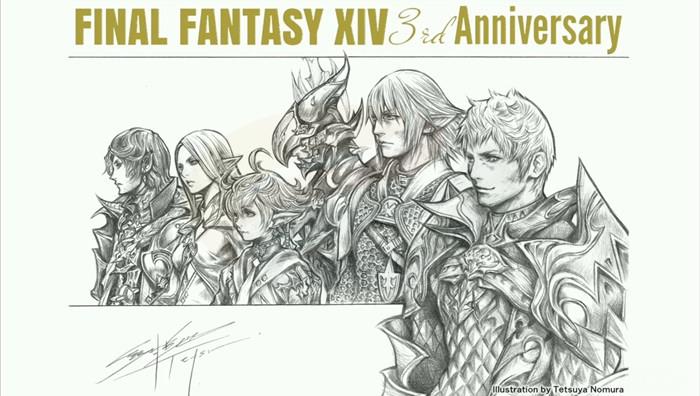
Class Mechanics Deep Dive: Job rotations have evolved into highly structured systems that demand precise execution. While this provides satisfying gameplay for optimization-focused players, it can feel restrictive for those preferring more adaptive, situational combat approaches. The development team’s focus on balance sometimes sacrifices creative flexibility for mathematical precision.
Legacy and Modern Accessibility: World of Warcraft’s enduring popularity stems from its deep lore foundation and refined gameplay systems. The Legion expansion particularly demonstrated Blizzard’s ability to create compelling systems that respect players’ time while offering meaningful progression.
Recent developments have significantly lowered the barrier to entry, making it easier for new players to experience current content without excessive catch-up mechanics. The game’s class identity remains strong, though race and class restrictions continue to limit certain character fantasy combinations.
Content Delivery Analysis: WoW traditionally follows a model of substantial expansions followed by major content patches, creating peaks and valleys in engagement. While this provides concentrated bursts of new content, it can lead to extended periods of repetition between updates.
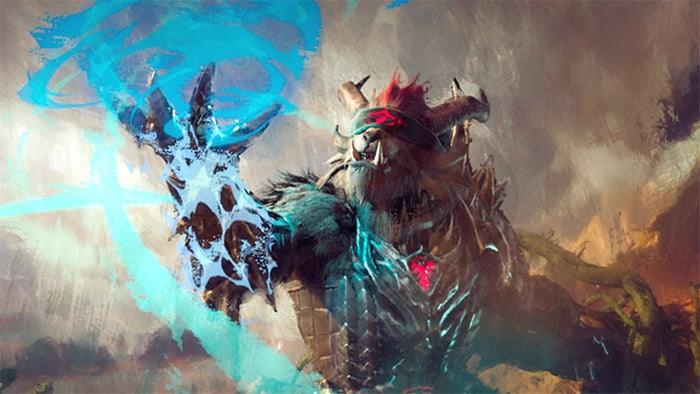
Lore Presentation Challenges: Despite possessing one of gaming’s richest fictional universes, WoW struggles with coherent narrative delivery. Vital story elements often remain hidden in external media or poorly integrated quest text, requiring dedicated effort from players to fully appreciate the overarching plotlines.
Franchise-Specific Appeal: Star Wars: The Old Republic’s value proposition heavily depends on individual attachment to the Star Wars universe. The game features strong character-driven storytelling with fully voiced companions, but this comes at the cost of slower content updates and less frequent major expansions.
Elder Scrolls Online and Guild Wars 2 offer different business models that may appeal to budget-conscious players. ESO’s buy-to-play approach with optional subscription provides flexibility, while GW2’s core game accessibility makes it an excellent entry point for MMO newcomers.
Comparative Strengths Assessment: Each niche title excels in specific areas—SWTOR in narrative depth, ESO in exploration freedom, and GW2 in dynamic event systems—but may not provide the same level of polished endgame content as the subscription-based giants.
Value Analysis Framework: When evaluating which MMO deserves your financial commitment, consider both immediate enjoyment and long-term sustainability. FFXIV delivers exceptional production values and narrative payoffs, while WoW provides reliable classic MMO systems with modern refinements.
For story-focused players who value artistic presentation and don’t mind structured content cycles, FFXIV represents the superior investment. The game’s consistent quality and respectful treatment of player time through predictable update schedules make it a reliable long-term choice.
Player Type Matching: Competitive raiders may find WoW’s mythic dungeon system more engaging, while casual players often prefer FFXIV’s more forgiving approach to endgame progression.
Subscription timing plays a crucial role in maximizing value. Aligning your play periods with major content releases ensures you experience the freshest content without extended subscription periods during content droughts.
Action Checklist
- Identify your primary gaming preferences: story, endgame, social, or exploration focus
- {‘step’: ‘2’, ‘research’: ‘Current expansion cycles and recent update quality for each candidate MMO’, ‘difficulty’: ‘Intermediate’, ‘time_estimate’: ’30 minutes’}
- Calculate monthly time investment and match to each game’s content requirements
- Schedule subscription periods to align with major content releases for maximum value
- Monitor community sentiment and developer roadmaps for long-term viability assessment
No reproduction without permission:OnLineGames Guides » FFXIV, WoW, SWTOR, ESO and Gw2 Which Is Really Worth Paying Gold? Expert comparison of FFXIV, WoW, SWTOR, ESO and GW2 with practical investment guidance for MMO players