
A comprehensive guide to building a professional Free Fire esports career in India with actionable strategies
Understanding Free Fire’s Competitive Landscape
Garena Free Fire has established itself as a dominant force in India’s mobile esports ecosystem, boasting one of the largest player bases in the country. The developers have demonstrated strong commitment to nurturing competitive gaming infrastructure, transforming what began as casual mobile entertainment into a professional career pathway.
The competitive scene experienced significant growth over recent years, with tournament production quality reaching professional standards and prize pools attracting established organizations. This evolution marks a substantial shift from the early days when competitions operated on smaller scales with limited financial incentives.
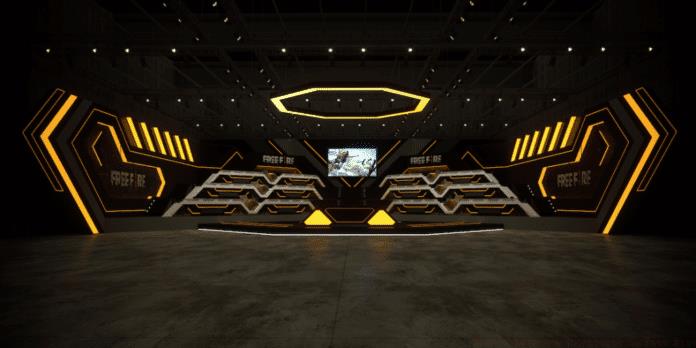
The turning point arrived with the inaugural Free Fire India Championship (FFIC) in 2020, featuring an impressive ₹50,00,000 prize pool that captured industry attention. This landmark event signaled Garena’s serious investment in the Indian market and attracted major esports organizations to establish competitive rosters.
Today, numerous premier organizations maintain active Free Fire divisions, with Garena implementing long-term strategies to sustain this thriving competitive ecosystem. The professional path, while challenging, offers legitimate career opportunities for dedicated players who approach it with strategic planning.
Mastering Game Mechanics and Technical Knowledge
Comprehensive game knowledge forms the foundation of any professional Free Fire career. Beyond basic gameplay understanding, competitive success requires mastering intricate mechanics that casual players often overlook. This includes precise weapon statistics, character ability interactions, and advanced combat techniques.
Technical proficiency encompasses detailed understanding of weapon behavior patterns, including reload durations, firing rates, damage output per bullet, and recoil control mechanics. Each character’s unique abilities demand thorough comprehension of cooldown periods, strategic applications, and synergy combinations with teammate selections.
Practical application involves calculating engagement durations and assessing combat viability based on available resources. For example, knowing exact bullet requirements to eliminate opponents with specific weapons enables confident engagement decisions and adaptive mid-fight strategy adjustments.
Advanced players benefit tremendously from mastering terrain advantages, building layout knowledge, and zone prediction skills. Competitive success often hinges on positioning intelligence, including high-ground advantages, cover utilization, and rotation timing during shrinking play zones.
Common Technical Mistakes to Avoid: Underestimating reload times during critical engagements, misjudging character ability cooldowns, and poor zone management that leads to unnecessary damage taken. Professional players minimize these errors through deliberate practice and situational awareness development.
Building Your Competitive Team
Team composition represents a critical success factor in Free Fire’s competitive landscape. Assembling a dedicated squad focused on tournament performance rather than casual enjoyment establishes the framework for professional advancement. This team can originate from existing friendships, guild connections, or strategically recruited players sharing competitive ambitions.
Effective team development begins with consistent practice sessions focused on strategic gameplay rather than recreational play. Building squad synergy requires extensive match experience together, developing unspoken understandings and streamlined communication protocols that function instinctively during high-pressure situations.
Beyond in-game collaboration, successful teams invest in relationship building outside matches. Strong interpersonal bonds enhance in-game coordination and conflict resolution capabilities when disagreements arise regarding strategic decisions or performance issues.
Role specialization proves essential for competitive efficiency. Conduct thorough skill assessments for each teammate, assigning specific responsibilities based on individual strengths. Common role distributions include in-game leader (IGL), support player, assault specialist, and sniper/expert. Clear task division enables optimized match efficiency and rapid decision-making during critical moments.
Team Communication Protocol: Establish clear callout systems, define decision-making hierarchies for different scenarios, and practice emergency communication drills for when standard systems break down under tournament pressure.
Competitive Circuit Experience
Local tournament participation serves as the proving ground for aspiring professional players. Regardless of individual skill level, without competitive circuit exposure, advancement opportunities remain limited. Regular involvement in community tournaments and organized scrimmages provides essential experience and visibility.
Maximize participation in locally organized competitions and practice matches. Numerous tournament organizers maintain active Discord communities where they schedule regular competitive events. These platforms offer valuable opportunities to test skills against serious opponents and gain recognition within the competitive community.
Beyond reputation building, tournament participation delivers crucial team development benefits. Competitive matches reveal squad compatibility, preferred playstyles, and strategic comfort zones. Understanding these dynamics enables roster optimization and role adjustment before committing to major official competitions.
Analyzing performance in these events helps identify strategic strengths and weaknesses. This assessment facilitates tactical evolution, including potential role rotations, leadership assignments for specific situations, and development of innovative strategic approaches tailored to your team’s capabilities.
Scrimmage Best Practices: Treat every scrimmage with tournament seriousness, review match recordings for improvement analysis, and gradually increase opponent difficulty levels as skills develop to ensure continuous challenge and growth.
Breaking Into Official Tournaments
When foundational knowledge, team cohesion, and competitive experience align, the transition to official tournament platforms becomes the logical progression. Free Fire organizes numerous high-profile events annually, with many featuring open qualification pathways that provide accessibility for emerging teams.
The Free Fire India Championship (FFIC) represents the premier open tournament opportunity, though numerous other competitions offer similar entry points. Persistent effort remains essential until qualification opportunities arise, at which point maximum preparation and performance become critical for advancement through competitive stages.
Open qualification tournaments feature intensely competitive environments, with initial success often elusive for newcomers. The key differentiator between eventual professionals and casual competitors is persistent commitment despite early setbacks. Maintain consistent practice regimens, continue skill development, and remain adaptable to evolving game meta changes.
Long-term success requires ongoing roster evaluation and strategic adjustments. As the competitive landscape evolves, so must team compositions and gameplay approaches. Professional players dedicate hundreds of hours to refined practice, developing the patience and resilience necessary for competitive excellence.
Also Read | Free Fire India Championship 2021 Registration Details.
Tournament Preparation Cycle: Six-week preparation periods before major events, including specialized drills, opponent research, and mental conditioning exercises to maintain peak performance during high-stakes competition.
No reproduction without permission:OnLineGames Guides » How to become a Pro Player in Free Fire A comprehensive guide to building a professional Free Fire esports career in India with actionable strategies