
TL;DR
- Tanky builds offer consistency while zero HP builds maximize currency per hour
- Strategic boss selection requires analyzing profitability, difficulty, and personal enjoyment
- Currency Exchange optimization and buy orders significantly reduce fragment acquisition costs
- Execution speed and loot filter management directly impact overall profitability
- Market timing and roll optimization can dramatically increase loot sale values
Boss encounters represent some of Path of Exile’s most engaging and rewarding content. For years, these challenging fights have captivated players, though accessing them consistently was often restricted by various barriers. The introduction of Currency Exchange has transformed boss farming into one of the most accessible and profitable activities in the game.
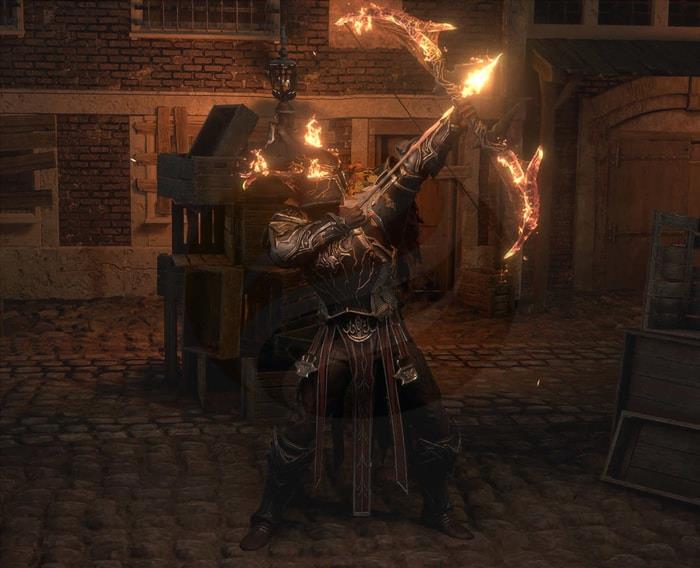
Modern boss farming combines strategic planning with efficient execution to generate substantial currency returns. Understanding the nuances of build selection, boss mechanics, and market dynamics separates successful farmers from those who struggle to profit.
1. Tanky AFK/Facetank Builds
Advantages
● Requires minimal mechanical skill and allows ignoring most boss mechanics
● Versatile for multiple game activities beyond bossing
Disadvantages
● Typically achieves slower boss kill times, reducing potential currency per hour
● Generally more expensive to gear than zero HP alternatives
Example Build
Firestorm Blood Magic Inquisitor
2. Zero HP One-Shot Builds
Advantages
● Capable of instantly eliminating most bosses, maximizing currency per hour
● Usually simpler to assemble than versatile builds, relying primarily on unique items
Disadvantages
● Demands significant player skill for bosses that can’t be instantly eliminated
● Highly specialized for bossing with limited other content capability
Example Build
Zero HP Ice Trap Build
Having extensively tested both approaches, I strongly favor tanky configurations for their flexibility in farming diverse bosses and reduced cognitive load during extended sessions.
Hybrid Build Considerations: Some advanced players create hybrid builds that balance survivability with burst damage. These require careful gear optimization but can handle both quick kills and unexpected mechanic failures.
Profitability Analysis
What is the current market value of items dropped by this boss? Utilize PoE Ninja for real-time pricing intelligence.
How frequently do valuable items appear, and what’s their worth relative to entry costs?
What average completion time does your build achieve against this boss?
Difficulty Assessment
Can you reliably defeat this boss without failures?
What is your typical death frequency during encounters?
If using a durable build, can you nearly automate this boss fight?
Sustainability Factors
Do you find repeating this boss encounter enjoyable over multiple sessions?
Advanced Selection Strategy: Consider boss popularity cycles. Less popular bosses often have more stable fragment prices while highly sought-after bosses may offer better loot but face fragment inflation.
Currency Exchange remains the optimal platform for fragment acquisition. Even potential bulk purchase savings are outweighed by time investment in locating specialized sellers.
● When purchasing fragments, compare both Divine and Chaos orb pricing; significant cost differences sometimes exist between currencies.
● For long-term boss farming campaigns, establish buy orders slightly below current market rates. These accumulate gradually while you utilize other fragments.
Scenario 1: Exchange lists 10 Fragments for 3 Divine. Place orders for 11 Fragments at 3 Divine (or proportional multiples like 22/6, 44/12) and let them accumulate during farming sessions.
Scenario 2: Exchange prices 1 Fragment at 27 chaos orbs. Create orders for 1 Fragment at 25 chaos (or multiples like 10/250, 20/500)
● If Cortex isn’t part of your regular rotation, periodically farm gold to purchase fragments. Completing The Feared or running 2-3 juiced T17 Maps provides efficient alternatives.
Pro Tip: Monitor fragment price trends throughout the league. Prices typically dip during league maturation, allowing strategic bulk purchases during price valleys.
Your boss encounter methodology directly determines currency generation efficiency:
● Base currency yield per map derives from entry cost, potential loot values, and drop frequency probabilities. While largely fixed, selecting bosses with favorable cost-to-profit ratios remains crucial.
● Boss completion speed governs actual currency per hour. You maintain full control over this variable. Identifying methods to accelerate encounters and enhancing your build for faster eliminations dramatically boosts earnings.
● Exercise caution with loot filter configurations. I recommend briefly reviewing filtered items post-elimination to prevent missing valuable drops. Multiple instances have revealed expensive items accidentally filtered.
Common Efficiency Mistakes: Many players underestimate the impact of loading screen optimization, proper portal placement, and inventory management on overall efficiency.
Sell Exchange-eligible items promptly, but verify price discrepancies between chaos and divine currencies.
For remaining items, remember these critical factors:
● Item roll values frequently determine price differentials, sometimes creating 5 Divine versus 20 Divine value gaps. Awakened PoE Trade may provide inaccurate pricing without proper roll configuration.
● Some items only gain value with exceptional rolls. For common drops, consider utilizing the 3-to-1 vendor recipe to convert poorly rolled items into potentially superior versions.
● Cortex synthesized items exhibit extreme price variations based on implicit modifiers.
● Unless an item possesses extraordinary rolls or valuable synthesized implicits, selling slightly below market price often ensures rapid sales before price depreciation. This strategy becomes particularly relevant during late league phases.
Advanced Sales Strategy: Create specialized stash tabs for different boss loot categories. This organization streamlines pricing and prevents undervaluing specialized items.
Beyond fundamental strategies, elite boss farmers implement sophisticated optimization techniques:
Build Refinement: Continuously upgrade key items that reduce boss time by even small percentages. These marginal gains compound significantly over hundreds of runs.
Market Intelligence: Utilize tools like PoE Stack and Exilence Next for comprehensive market analysis and profit tracking.
Long-term Planning: Develop rotation schedules that capitalize on different boss popularity cycles and fragment price fluctuations.
For comprehensive Complete Guide coverage of advanced techniques, consider studying specialized resources.
Action Checklist
- Select build archetype based on personal skill level and farming goals
- Research current boss profitability using PoE Ninja and market analysis tools
- Establish Currency Exchange buy orders for fragments below market rates
- Optimize loot filter and verify settings post-boss kills
- Implement efficiency improvements in loading, portal usage, and inventory management
- Analyze and price loot with attention to roll values and market timing
No reproduction without permission:OnLineGames Guides » Path of Exile 3.25 Boss Farming Guide Master Path of Exile boss farming with optimized builds, strategic boss selection, and profit-maximizing techniques