
TL;DR
- Evil points accumulate from crimes and trigger trials when thresholds are reached
- Confessing immediately sends you to prison while denial initiates jury trials
- Jurors complete special quests to gain trial participation privileges
- Social connections can influence trial outcomes through unspoken rules
- Reducing evil points requires completing specific tasks with gold costs
The ArcheAge justice framework represents one of gaming’s most sophisticated player-driven legal systems, extending beyond conventional combat mechanics and life skills to create immersive social consequences. This comprehensive guide examines how the featured trial system transforms criminal actions into meaningful gameplay experiences that impact your character’s journey.

At its core, the trial mechanism addresses in-game lawbreaking activities including theft, assault, and murder through a points-based accountability structure. Each criminal act accumulates evil points on your character record, with more severe offenses generating higher point values. When your accumulated evil points cross specific thresholds—typically 50 points for minor crimes and 100+ for serious offenses—the system automatically summons you to stand trial before the game’s judicial authorities.
The penalty framework operates on an escalating scale where punishment severity directly correlates with both current crime gravity and your historical criminal record. First-time offenders committing minor theft might receive brief imprisonment sentences, while repeat violent criminals face extended prison terms and additional gameplay restrictions. The system maintains detailed criminal histories, ensuring that persistent offenders encounter progressively harsher consequences.
Your response strategy at trial significantly impacts outcomes. Immediately confessing to crimes typically results in streamlined processing directly to prison, serving your sentence without additional complications. However, this approach forfeits any chance of acquittal and immediately applies all penalties associated with your charges.
Choosing denial initiates the full jury trial procedure, introducing both risk and opportunity. While this path offers potential complete exoneration, it also risks maximum penalties if convicted, including potential sentence enhancements for perceived dishonesty before the court.
When defendants maintain their innocence, the court convenes a player jury to adjudicate the case. Prospective jurors must complete specialized qualification quests demonstrating their understanding of judicial procedures before gaining trial participation rights. This ensures only knowledgeable players determine case outcomes.
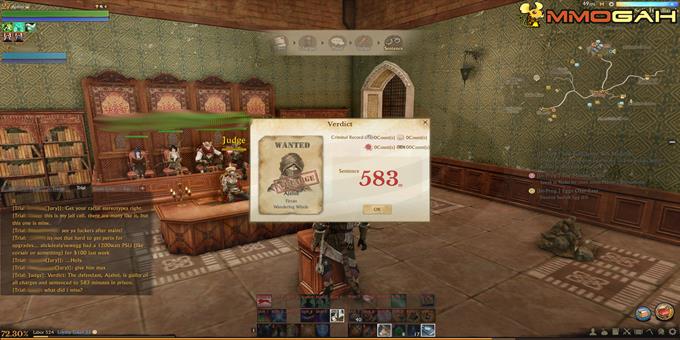
The complete jury trial unfolds through five distinct phases: session establishment where charges are formally presented, evidence trial examination, jury verdict deliberation, punishment sentence determination, and final pronouncing sentence announcement. Each phase involves specific participant interactions and decision-points that collectively determine the final judgment.
Post-trial, convicted players transport directly to prison facilities while acquitted defendants receive immediate release. Technical note: disconnecting during active trials doesn’t circumvent justice—guilty players logging back in find themselves in prison, while acquitted players return to the courthouse location upon reconnection.
The social dimension introduces complex dynamics where personal relationships can influence judicial outcomes. Many regular jurors develop friendships with frequent defendants, creating situations where even clear-cut murder cases sometimes result in acquittals due to these connections. This mirrors real-world judicial complexities where unspoken rules and networking can impact legal proceedings.
Critical awareness: accumulated evil points persist indefinitely on your character record until actively reduced through specific redemption tasks. These rehabilitation activities often require Archeage gold investments and substantial time commitments, making crime prevention significantly more efficient than post-offense remediation.
Players considering the pirate profession must carefully evaluate this evil points reality. While piracy offers unique gameplay opportunities, the constant threat of trial and imprisonment requires strategic planning and resource allocation for potential legal consequences. For comprehensive gameplay guidance, consult our Complete Guide to master all ArcheAge systems effectively.
Reducing evil points involves completing specially designated tasks that typically demand both time and currency investments. This creates meaningful trade-offs where criminal activities must be weighed against the costs of eventual redemption.
Action Checklist
- Monitor your evil points regularly through character stats to avoid surprise trials
- Complete juror qualification quests in advance to participate in trial proceedings
- Build relationships with active jurors through faction activities and social interactions
- Calculate gold requirements for redemption tasks before committing to criminal activities
- Develop case strategy before trial—either immediate confession or prepared denial with evidence
No reproduction without permission:OnLineGames Guides » The Featured Gameplay-the Trial System in Archeage Master ArcheAge's trial system with expert strategies to navigate justice and avoid prison time effectively