
Master Valorant fundamentals: agent selection, economy management, and tactical positioning for competitive success
Understanding Valorant’s Core Mechanics
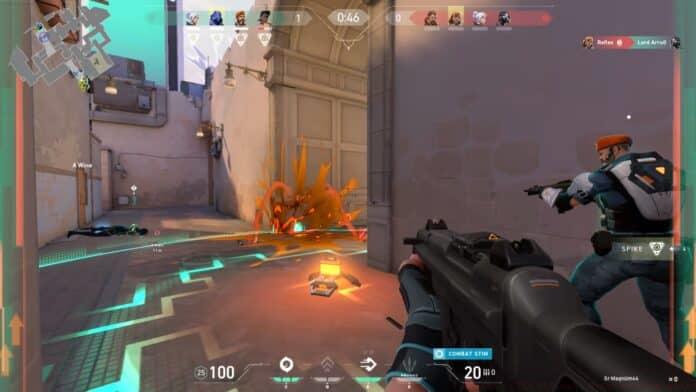
Valorant represents Riot Games’ entry into tactical first-person shooters, blending precise gunplay with character-based abilities in a competitive 5v5 format. Since its 2020 debut, the game has cultivated an intensely dedicated player base across multiple skill tiers. For newcomers, the initial learning curve might appear steep, but systematic understanding of core mechanics transforms intimidation into strategic advantage.
The fundamental match structure pits two five-player squads against each other in alternating attack and defense roles across multiple rounds. Attackers strive to plant the Spike at designated bomb sites, while defenders work to prevent this objective or defuse the explosive once activated. Rounds conclude through three primary outcomes: successful Spike detonation, timely defusal, or complete elimination of the opposing team. Matches are typically decided by first-to-13 rounds, requiring consistent performance rather than isolated moments of excellence.
Character selection centers around Agents, each possessing four unique abilities that define their tactical niche. The current roster exceeds twenty characters, systematically categorized into four specialized roles: Duelists spearhead engagements with aggressive tools, Initiators create openings for team advances, Sentinels secure areas with defensive capabilities, and Controllers manipulate sightlines and space through strategic utility. New players should experiment with 2-3 Agents from different classes to discover compatible playstyles while developing versatile game sense.
Mastering Weapons and Equipment
Valorant’s economic system rewards performance through round-based currency allocation, enabling weapon and equipment acquisition at each round’s commencement. Strategic purchasing balances immediate firepower with long-term economic planning, as careless spending can cripple multiple rounds of capability. The arsenal spans multiple categories including vandal and phantom assault rifles, operator sniper rifles, sheriff sidearms, and judge shotguns, each exhibiting distinct recoil patterns, damage profiles, and movement penalties.
Weapon selection should align with both current economic status and anticipated engagement distances. Shotguns dominate close-quarters combat but suffer at range, while sniper rifles control long sightlines but struggle in cramped spaces. Assault rifles offer versatility across medium distances, making them reliable primary weapons. Beyond firearms, utility items including smoke grenades, flashbangs, and healing abilities provide tactical advantages that frequently determine round outcomes. Deploying smoke to obscure vision enables safer site entries, while well-timed flashes can disable opponents during critical engagements.
Economic management separates novice players from competent competitors. The most common beginner error involves overspending on rifles during eco rounds when preserving funds for subsequent rounds would be more advantageous. Develop purchasing discipline by recognizing when to save credits for future rounds versus when to invest in full loadouts. A balanced buy includes primary weapon, armor, and essential utility rather than maximizing one category at another’s expense.
Advanced Tactical Play
Transitioning from mechanical competence to tactical proficiency requires mastering Valorant’s strategic dimensions. Communication represents the foundation of coordinated play – consistently relay enemy positions, ability usage, and planned strategies through clear, concise callouts. Effective teams coordinate site executions, defensive setups, and utility combinations through constant information exchange. Utilize the in-game ping system for silent communication when voice chat isn’t feasible.
Map control establishes the framework for successful rounds. Each arena contains strategically vital areas including choke points, elevated positions, and planting sites that confer significant advantages to controllers. Attackers should methodically clear these zones before committing to site takes, while defenders must monitor them for early information and engagement opportunities. Controlling these areas limits opponent options and creates predictable engagement scenarios.
Positioning intelligence often outweighs raw aiming skill in determining duel outcomes. Always maintain awareness of available cover, escape routes, and angle advantages. Avoid standing in open spaces where multiple enemies can engage simultaneously. Instead, position where you can isolate 1v1 engagements and quickly retreat to safety if overwhelmed. Advanced positioning incorporates off-angles that surprise opponents and pre-aimed positions that minimize adjustment time when enemies appear.
Progression and Improvement
Consistent, focused practice accelerates skill development more effectively than mindless repetition. Dedicate training sessions to specific skills: aim trainers for mechanical precision, custom games for map knowledge, and unrated matches for game sense development. Analyze both victories and defeats to identify recurring mistakes and strategic gaps. Recording and reviewing gameplay highlights flaws invisible in the moment and reveals improvement opportunities.
Beginner players commonly exhibit several correctable behaviors: overpeeking engaged angles, neglecting sound cues, misusing ultimate abilities, and poor economy management. Counter these tendencies by consciously checking minimap frequently, wearing headphones for audio awareness, planning ultimate usage during buy phases, and following team economic decisions. Remember that survival often contributes more to round success than risky plays for extra kills.
Advanced optimization involves mastering agent-specific techniques, learning lineup positions for utility, understanding opponent psychology, and developing adaptive strategies. As proficiency increases, study professional gameplay to absorb advanced tactics and creative utility usage. The journey from beginner to competitive player requires patience, analysis, and deliberate practice – but systematic approach yields consistent improvement and eventual mastery.
No reproduction without permission:OnLineGames Guides » Valorant: The Ultimate Guide for Beginners Master Valorant fundamentals: agent selection, economy management, and tactical positioning for competitive success