
TL;DR
- The Dancing Lion is actually two dancers operating an elaborate puppet costume
- Based on traditional Asian Lion Dance performances with deep cultural significance
- Sculpted Keepers channel divine power to control weather during combat
- Hornsent culture reveres horn growth as divine evolution from the Crucible
- The dancers’ masked appearance suggests possible hornless servant involvement
- Understanding the coordination mechanics provides tactical advantages in battle
From the moment it appeared in DLC previews, the Divine Beast Dancing Lion captured attention as one of the most distinctive boss designs in recent memory. While the developers have consistently delivered creative enemy concepts throughout their catalog, this particular creation stands apart for its sheer originality and cultural depth.
What makes this encounter particularly memorable isn’t just its visual impact, but how it subverts expectations about what constitutes a “beast” in this universe.
Nestled at the foundation of the spiral tower lies Belurat settlement, the ancestral home of the Hornsent people who inhabit the Land of Shadow. Within their spiritual framework, the development of horns represents both a sacred blessing and an evolutionary advancement bestowed by the Crucible. Those adorned with horns hold positions of reverence, with the Divine Beasts—majestic horned lions—occupying the highest tier as celestial messengers.
The Hornsent’s horn-centric theology creates a fascinating hierarchy where physical attributes directly correlate with divine status.
When players venture into Belurat’s grand theater, they confront what initially appears to be a magnificent creature. However, closer examination reveals the truth: the Dancing Lion isn’t a living beast but rather an intricately crafted puppet fashioned from animal materials. Drawing inspiration from centuries-old Asian Lion Dance customs, this formidable opponent consists of two individuals maneuvering the costume in perfect synchronization.
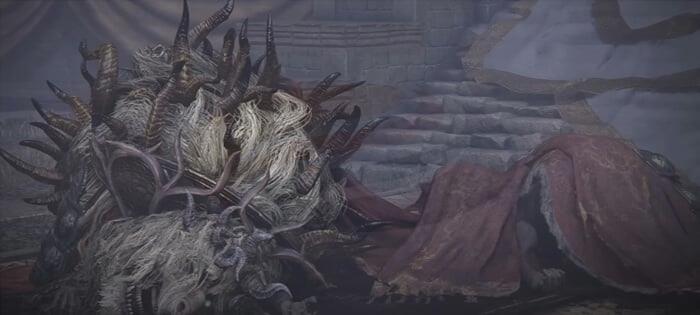
The cultural authenticity extends beyond mere aesthetics, as the mechanics directly mirror real-world Lion Dance performances where coordination between dancers creates the illusion of a single living entity.
Examining the costume’s internal structure reveals the sophisticated interplay between the two performers through their animation sequences. The lead dancer manipulates the Divine Beast’s head assembly, manually operating its jaw mechanism while executing acrobatic leaps and offensive lunges. Supporting from behind, the secondary dancer maintains balance and provides stability, even serving as a elevated platform when the “lion” assumes its rearing posture.
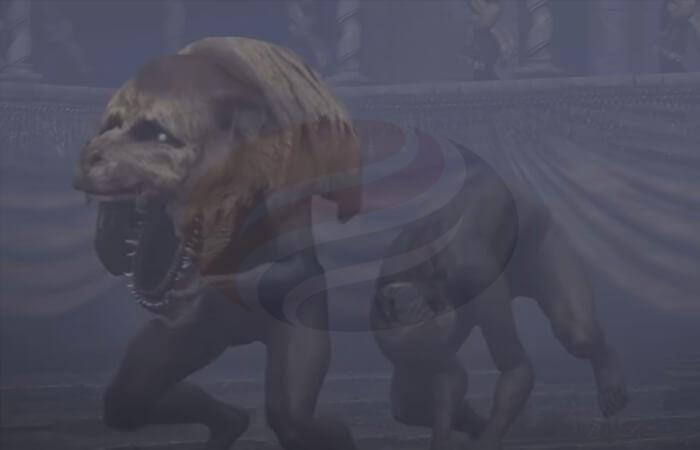
This choreographed partnership demonstrates remarkable precision, with each movement carefully calculated to maintain the illusion while executing complex combat maneuvers.
These performers, identified as Sculpted Keepers, possess exceptional aptitude for divine invocation rituals, enabling them to harness the beast’s supernatural capabilities. During the confrontation, this manifests as meteorological manipulation, with the lion’s powerful roar summoning elemental forces including gale-force winds, freezing blizzards, and electrical storms.
Observing the dancers closely, each appears to wear fabric head coverings that obscure their facial features. While conventional wisdom suggests the dancers are likely Hornsent individuals, alternative theories propose they could be honored hornless attendants elevated to this sacred duty.
This ambiguity surrounding their identities adds compelling narrative depth to the encounter, suggesting complex social dynamics within Hornsent society.
For players seeking to master this encounter, understanding the two-dancer dynamic provides crucial tactical advantages. The lead dancer’s head manipulation creates predictable attack patterns, while the supporting dancer’s positioning offers potential vulnerability points during certain animations.
The weather-changing abilities introduce dynamic environmental hazards that require adaptive positioning and timing. Wind attacks may create push-back effects, snow can slow movement, and storms might include area-of-effect lightning strikes.
The potential inclusion of hornless servants as dancers suggests fascinating social mobility possibilities within the typically horn-centric Hornsent hierarchy.
Action Checklist
- Study the lead dancer’s head movements to predict attack timing
- Identify the supporting dancer’s position for potential counter-attack opportunities
- Practice dodging weather-based attacks by observing elemental telegrapghs
No reproduction without permission:OnLineGames Guides » Elden Ring DLC: The Strangest Boss – Divine Beast Dancing Lion Unveiling the Divine Beast Dancing Lion's cultural origins, combat mechanics, and hidden lore secrets